Buying a perfume should be an enjoyable experience, yet the rise of counterfeit fragrances has made it more complicated than ever. High-quality perfumes involve meticulous craftsmanship, months of formulation, and stringent quality testing.
Counterfeit scents, on the other hand, skip all these steps, leaving shoppers with disappointing, short-lived, and sometimes unsafe products. Knowing how to spot fake perfumes empowers buyers to make informed choices and ensures every spray delivers the true olfactory experience.
Why Identifying Fake Perfumes Matters More Than Ever?
Identifying fake perfumes matters today more than ever because creating a genuine fragrance is a long, complex process involving skilled perfumers, evaluators, safety testers, strict regulations, and multiple quality-control stages before a scent ever reaches the shelf.
Authentic perfumes are developed through months of formulation, skin testing, stability checks, and trademark registration, ensuring safe ingredients, reliable longevity, and consistent scent performance. Counterfeit fragrances bypass all of these steps, often using low-quality materials that can irritate the skin, degrade quickly, or pose health risks.
Your Quick Guide to Telling Original Perfumes from Copycats
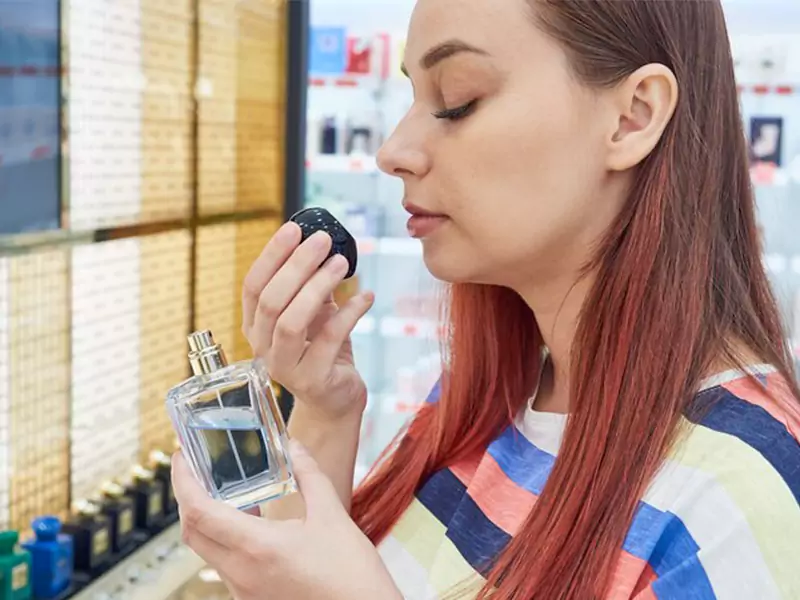
Understanding how authentic perfumes are crafted—from professional formulation and skin-safety testing to trademark registration and controlled packaging—gives you powerful clues for spotting imitations instantly. These behind-the-scenes details create subtle signs that help you confidently separate genuine fragrances from low-quality copies.
Bottle Details That Reveal the Truth
When you’re trying to determine whether a perfume is genuinely crafted or just a clever imitation, the bottle itself reveals more than you might expect. Authentic fragrance bottles are made with precision—smooth, flawless glass with no bubbles or rough seams.
The weight is another giveaway; original bottles feel solid and balanced in the hand, while counterfeits are often lighter and less refined.
Pay close attention to the cap and spray nozzle as well. A real perfume cap aligns perfectly and clicks firmly into place, and the atomizer delivers a fine, even mist without sputtering. Labels should be centered, waterproof, and resistant to peeling or smudging.
Even the color of the liquid matters: authentic perfumes have a consistent, clear tone with no cloudiness or residue settling at the bottom. When any of these details feel off—from a loose cap to uneven glasswork—it’s a strong sign the bottle isn’t telling the whole truth.
Scent Differences Between Real and Fake Perfumes
The easiest way to tell a real perfume from a fake one is by paying attention to how the scent behaves from the moment you spray it. Authentic fragrances evolve gradually, revealing different layers and maintaining a balanced presence on the skin.
Fake perfumes, however, usually fall flat after the first few minutes and lack the complexity of a genuine blend. Here’s how the differences show up:
- Layered Development: Real perfumes move through top, heart, and base notes; fake ones stay one-dimensional.
- Longevity: Original fragrances last 4–12 hours, while counterfeit versions fade quickly.
- Alcohol Presence: Fakes often open with a sharp alcohol hit that disappears fast.
- Sillage Quality: Authentic perfumes leave a soft, consistent scent trail; fake perfumes have weak or no sillage.
- Depth & Complexity: Real scents evolve with your body chemistry, while fake ones remain flat and synthetic.
Spotting Fake Perfumes When Shopping Online
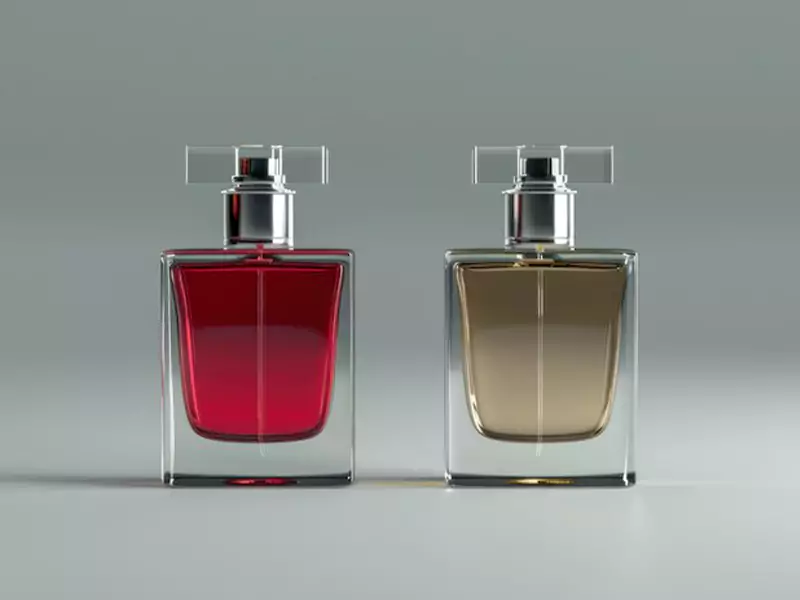
Shopping for perfume online can be convenient, but it also opens the door for counterfeit sellers—especially when prices look unbelievably good. To protect your money and your skin, it’s important to check a few key details before clicking “Buy Now.”
Authentic online listings usually come with clear product photos, accurate descriptions, and verified seller information, while fake ones often feel rushed, vague, or too promotional. Paying attention to small cues in the listing can save you from receiving a low-quality, alcohol-heavy imitation instead of a genuine fragrance.
- Seller Credibility: Choose official stores, authorized retailers, or sellers with consistent positive reviews.
- Product Photos: Look for clear, original images—not blurry pictures or stock photos with mismatched packaging.
- Price Comparison: Extremely low prices compared to the brand’s website are a major red flag.
- Listing Details: Authentic listings include batch codes, volume, ingredients, and country of origin.
- Return & Authenticity Policies: Trustworthy sellers offer returns, authenticity guarantees, and proper invoices.
- Customer Feedback: Read reviews carefully—look for comments about packaging, longevity, and scent accuracy.
- Website Security: Make sure the website uses HTTPS and displays secure payment options.
The Most Commonly Counterfeited Perfumes in the World
Some of the most frequently counterfeited fragrances are the ones with strong global recognition and high resale value. Counterfeit versions of best-selling scents are widespread across online marketplaces and unauthorized shops, often using low-quality ingredients that fail to capture the authentic scent profile.
These fake perfumes typically lack longevity, have weak or flat aromas, and may even cause skin irritation, making it crucial for shoppers to know which popular fragrances are commonly targeted.
- Chanel No. 5
- Dior Sauvage
- Creed Aventus
- Paco Rabanne 1 Million
- YSL Black Opium
- Various popular Gucci fragrances
- Select Louis Vuitton perfumes
- Fragrances from Armani, Burberry, Calvin Klein, Coach, and Guess
Conclusion
The growing prevalence of online perfume sales has made counterfeit fragrances more accessible, but knowledge is the best defense. Understanding subtle indicators such as spray nozzle quality, liquid clarity, and seller credibility allows consumers to make informed decisions. Ultimately, recognizing authenticity is a skill that protects both your health and your investment in premium fragrances.